


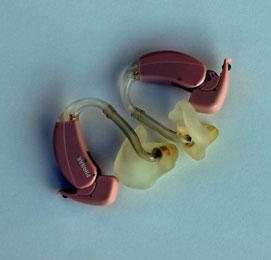
An area of student need, involving a medical condition of the ears that involves a severe impairment in hearing, not corrected fully by hearing aids.


• Use preferential seating to reduce auditory distractions and place student in a position to hear the teacher better.
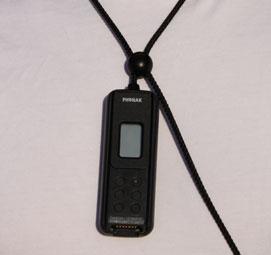
• Use an FM system.
• Reduce background noise (tennis balls on chair legs, close classroom doors, etc).
• Develop a pre-planned response for emergency evacuation.
• Post a visual schedule.
• Ensure adequate lighting.
• Keep in mind that facial hair(mustache/beards) can reduce the ability to lip read.

• Provide choice for assignments (oral and written presentations).
• Check that the student understands the test questions.
• Provide additional time.
• Allow use of assertive technology.
• Provide written instructions.
See also the teaching strategies for these related areas of student need:
• Assistive Technology
• Articulation Skills
• Hearing
• Metacognitive Skills
• Self-Advocacy Skills
• Self-Esteem
• Social Skills
• Verbal Ability

A student with hearing needs has difficulty detecting speech at conversational levels and/or at louder levels. They will have difficulty with oral instructions and often have reduced class participation. Some will have delayed social skills and language, as well as speech difficulties.


Resources


