


An area of student need, involving gross (large) physical motor skills.

• Implement school based recommendations provided by Occupational and Physical Therapists.
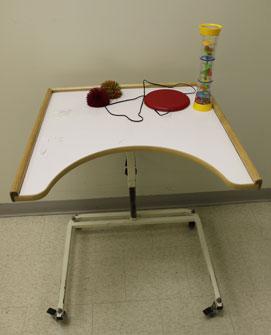
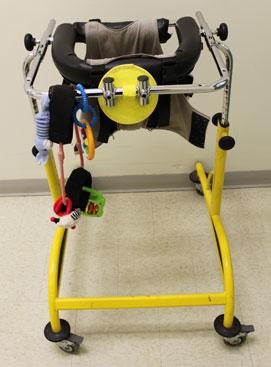
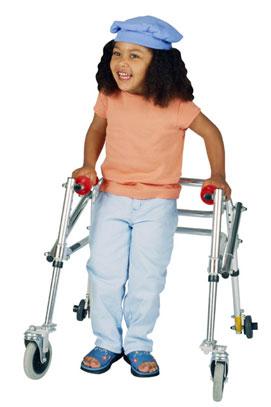
• Use assistive devices as prescribed (orthopedic chair, desk, etc).
• Develop and teach alternate programming expectations for the student.
• Reward efforts.
• Provide frequent breaks to avoid fatigue.
• Specifically teach physical education skills that are at a level so as to be attainable by the student.
• Teach skills to address needs.
• Focus on successes and improvements.
• Teach and encourage self-advocacy for the student to articulate needs to avoid injuries.

• Use preferential seating, so that the student is close to supplies.
• Ensure safety by providing adequate space for the student to walk to his/her desk.
• Ensure adequate space in the coat/locker area (an end locker may give additional room).
• Provide elevator access if available/necessary.
• Develop and practice a plan for emergency evacuations to ensure safety.

• Use assistive devices.
• Provide breaks.
• For physical education assessment, reduce demonstration expectations.

Students with gross motor skills needs may avoid physical activities and/or seem uncoordinated and clumsy. Their muscle tone may seem weak and they may tire quickly. Their posture/walk may seem unbalanced and stairs may be difficult.


Resources


