


An area of student needs, involving difficulty with changes.

• Determine the student’s transition needs and develop a transition plan on the student’s Individual Education Plan (IEP) with parents/guardians and the student.
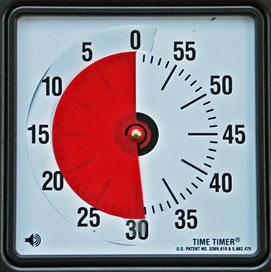
• Use a visual schedule and timer for daily transitions.
• Provide advance notice of changes.
• Teach calming strategies.
• Use photos of new places.
• Visit the website of fieldtrip locations to familiarize the student with it ahead of time.
• Visit new environments many times ahead of the change.
• Use a calendar or agenda to plan for changes.
• Use social stories.
• Have familiar staff accompany the student in new environments.
• Take familiar items to new situations.

• Use preferential seating to position the student in a predictable location.
• Use a visual schedule.
• Provide calming tools (stress ball, sensory activity, etc.).

• Provide advance notice of tests/assignments.
• Provide additional time.
• Provide a familiar alternative location.
• Provide a choice of assessments.
• Chunk assignments/test questions.
• Reduce the number of questions.
• Provide breaks.

Students with transition skills needs may have difficulty changing between tasks and/or locations. They may also need support for larger transitions like to a new grade or school. When faced with changes, they may exhibit stress or anxiety.
Resources


