


An area of student need, involving fine (small) physical motor skills of the fingers and hands.


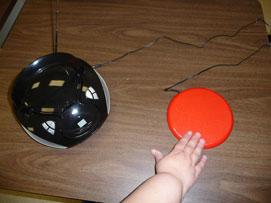
• Use preferential seating to use assistive technology (near an outlet).
• Provide a larger or slanted work surface.
• Use stress balls to massage tired hands and to strengthen hand.
• Substitute key lock for combination lock.
• Monitor the student for safety when working with science or art materials, especially if the student is unfamiliar with the specific materials used.

• Provide extra time.
• Give oral tests/scribe answers for the student.
• Give tests with a variety of formats to reduce the amount of writing required (true/false, multiple choice).
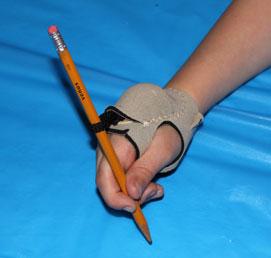
• Use assistive devices (computer, assistive programs, specific paper/writing tools).
• Provide choice in assignments, including some with less writing demands (Power Point presentations, for example)

Students with fine motor skills needs have difficulty printing and writing legibly. They often have difficulty painting and cutting and sometimes with activities of daily living (eg, dressing). Endurance for fine motor activities can be affected by fatigue. Because of their difficulties, they may seem disinterested, or give up easily on fine motor tasks.


Resources


