


An area of student need, involving difficulty with the way that the brain takes in information from the senses.


• Access a sensory room, if available.
• Reduce trigger sensory input.
• Provide a calming/time-out space.
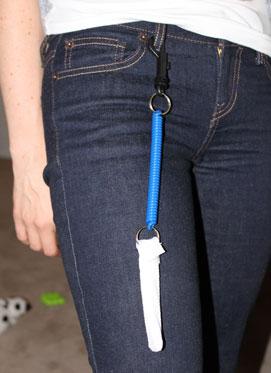
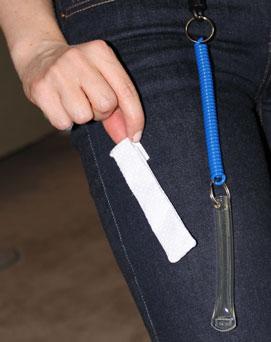
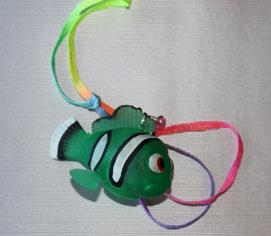
• Provide assistive devices to support sensory needs (task lighting, colored paper, items with preferred textures, roller boards, etc.).
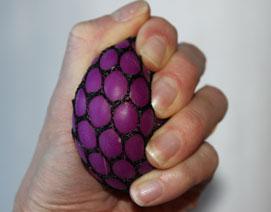
• Provide relaxation tools (stress balls, material in different textures, etc.).

• Minimize triggers and maximize appropriate sensory strategies as per the student’s needs.
• Accommodate the student’s sensory needs.
• Break tests/assignments into chunks.
• Allow for frequent breaks.
• Encourage the use of stress reduction strategies during testing.

Students with sensory integration skills needs are usually either over (hyper) or under (hypo) sensitive to input from the environment that comes visually, auditorally, kinesthetically (touch), by taste and/or smell. The student may exhibit a range of behaviours to either block out over-stimulation or to get stimulation from a sense. These behaviours could include hitting/pinching of self, plugging ears, closing eyes, screaming, repetitive behaviours, rocking, over eating, difficulty transitioning from or to activities, inability to concentrate, distractibility, headaches, task avoidance, withdrawal, etc.





Resources


