


An area of student need, involving difficulty with using appropriate behaviours for a given situation.


• Use preferential seating to position the student close to the teacher for prompts and near assistive technology.
• Reduce visual and auditory distractions.
• Provide stress reduction aids (stress ball, doodling paper, iPod).
• Post a visual schedule.
• Use a visual timer.
• Post classroom rules and consequences.

• Provide an alternative setting for tests.
• Allow extra time.
• Allow breaks during testing.
• Use oral testing/scribing.
• Use computers/assistive technology.
• Give advance notice of tests.
• Allow for reference materials to be used during testing.
• Provide a choice of assignments.
• Control selection of students for group projects (teacher chooses groups).
• Chunk assignments into parts and give feedback at each step.

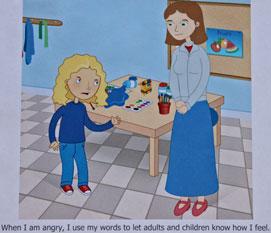
Students with self-regulatory needs may exhibit a variety of inappropriate behaviours including: repetitive actions, physically touching others, inappropriate language, speaking out of turn, being self-injurious, acting aggressively, crying and yelling. They may have difficulty with changes and have immature or unusual fears.
Resources


